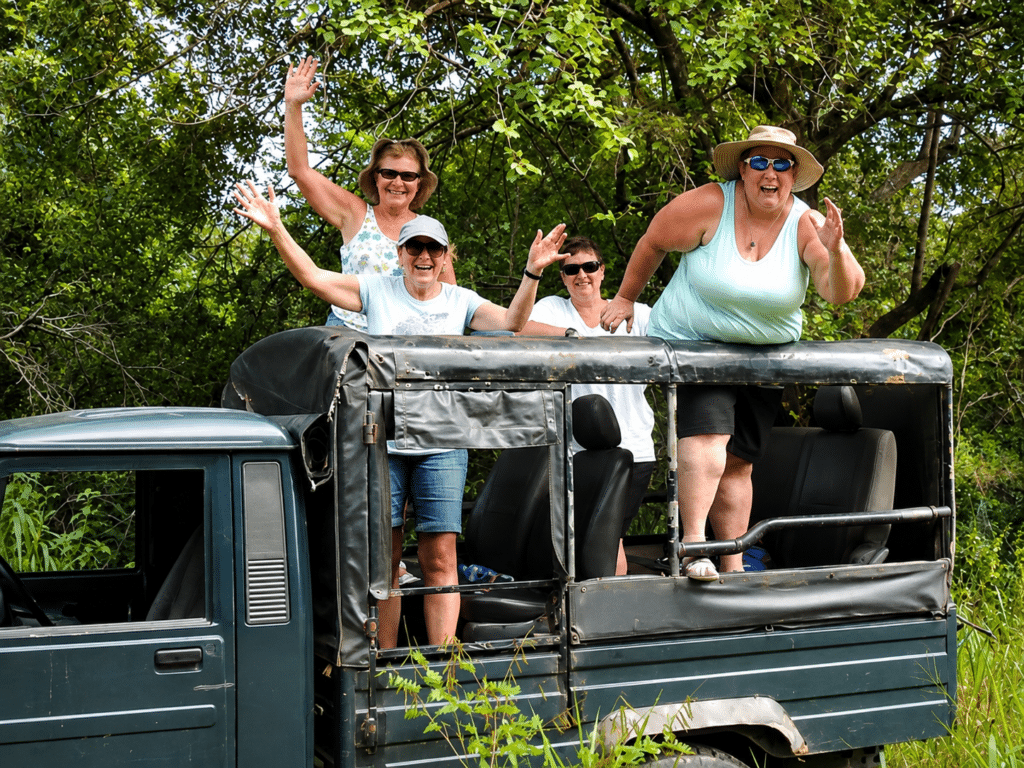
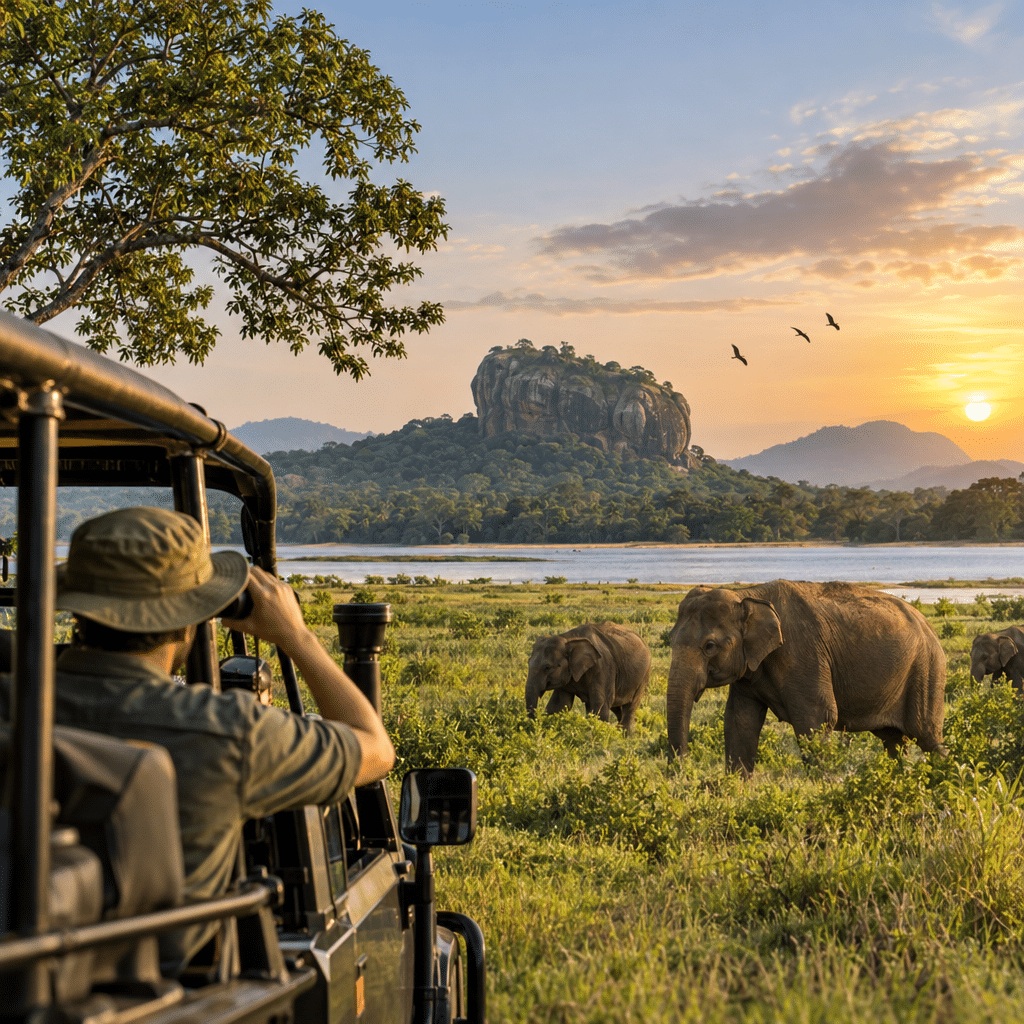
The best time for a safari in Sri Lanka depends on the park. February to September is generally strongest for Yala, Wilpattu, and Udawalawe, while October to April suits Bundala and many southern bird habitats. Minneriya and Kaudulla are best from July to October, when elephants gather around shrinking water sources.
Table of Contents
Location Sri Lanka
Best time for a safari in Sri Lanka: the short answer
The best time for a safari in Sri Lanka depends on the park, not the whole island. Usually, February to September brings drier roads and better wildlife viewing in Yala, Wilpattu, and Udawalawe. July to October is excellent for elephant gatherings in Minneriya and Kaudulla.
October to April often suits Bundala, Kumana, and southern bird habitats better. Sri Lanka has two monsoons, so one region may be wet while another stays sunny. This makes a park-by-park plan more useful than one countrywide Sri Lanka safari season.
Visitors should allow for short rain showers, changing park access, and local microclimates. The Department of Wildlife Conservation Sri Lanka can change opening arrangements, permits, and closure dates. Operators should confirm these details before travel.
What is the best month for a safari in Sri Lanka?
| Months | Best park choices | Wildlife and conditions |
|---|---|---|
| January-February | Yala, Udawalawe, Bundala, Wilpattu | Dry conditions in many southern and northwest areas; good general viewing and migratory birds. |
| March-April | Yala, Udawalawe, Wilpattu, Bundala | Hotter days and drying waterholes; useful for mammals, with early starts essential. |
| May-June | Wilpattu, Udawalawe, Yala, Wasgamuwa | Drier north and east-facing areas can be productive; Yala may have seasonal closure. |
| July-September | Minneriya, Kaudulla, Wasgamuwa, Wilpattu | Best period for the Minneriya Elephant Gathering and large elephant groups. |
| October-November | Minneriya, Kaudulla, Bundala, Udawalawe | Inter-monsoon showers can make roads muddy, but wildlife and birding remain worthwhile. |
| December | Yala, Bundala, Udawalawe, Wilpattu | Dry-season conditions return in many southern and western zones; demand rises around holidays. |
Which Sri Lankan parks are best during each season?
For a dry season safari, Yala National Park is famous for chances to see the Yala leopard. Its Block 1 area is known for leopard sightings, but high demand can cause jeep queues. February to June often brings dry ground and animals near water, though heat can be intense.
Wilpattu National Park is a strong choice for visitors seeking fewer vehicles and more open space. Its natural lakes, called villus, support deer, elephants, crocodiles, and many birds. February to September is often productive, but rainfall can still vary across the park.
Udawalawe National Park is one of the most reliable places for Sri Lankan elephant sightings. It suits families and short trips because open grassland makes large animals easier to see. Early morning is usually more comfortable, especially from March to August.
Minneriya National Park and Kaudulla National Park are key choices from July to October. The Minneriya Elephant Gathering forms when elephants move toward water and fresh grass. Group size and location change yearly, so guides should check current conditions instead of promising a fixed spectacle.
Bundala National Park and Kumana National Park are valuable for birders from November to April. Both parks can also provide wildlife sightings beyond birds. Wasgamuwa offers a quieter dry-zone experience. Sinharaja Forest Reserve focuses on rainforest birds and small animals, not open-country jeep viewing.
When should visitors target elephants, leopards, and sloth bears?
Match the month to the species
For elephants, choose Udawalawe year-round when access is open, or Minneriya and Kaudulla from July to October. For leopards, plan at least two or three drives in Yala or Wilpattu during drier months. Sloth bears are never guaranteed, but May to July can offer useful chances in Yala and Wilpattu when fruit and insects draw them into open areas.
A leopard sighting is possible on one drive, but it is not predictable. A realistic plan is two to four safaris in one park, with flexible timing and no promise from an operator. Animal behavior, water, rainfall, and traffic all affect the result.
Can you go on safari during the monsoon?
How do the two monsoons affect safari conditions?
Yes, a monsoon safari can be worthwhile, but the best choice depends on rainfall direction. The Southwest monsoon mainly affects the west and southwest from May to September. The Northeast monsoon mostly affects the north and east from October to January, though showers can spread widely.
The Maha and Yala cultivation seasons also help explain changing water and grass patterns. They are farming seasons, not safari seasons. However, irrigation and rainfall can affect where elephants and herbivores feed. A park that looks dry can still have wet tracks after a storm.
Rain usually affects road speed, visibility, and animal movement more than park value. Wildlife may shelter during heavy rain, then become active afterward. Roads can turn slippery, and some low crossings may become unsuitable. Ask the operator about recent conditions instead of trusting a seasonal label.
The best time for a safari in Sri Lanka during a wet period is often an inter-monsoon month, such as October or November. Showers remain possible, but viewing windows can still last. Travelers should expect less predictable drives and keep one flexible backup day.
Is Yala safari better in the morning or afternoon?
| Timing | Typical advantages | Best for |
|---|---|---|
| Morning, about 5:30-6:30 a.m. | Cooler air, soft light, active predators, and fresh tracks before heat builds. | Photographers, leopard searches, families who prefer cooler conditions. |
| Afternoon, about 2:00-2:30 p.m. | Longer evening activity, warm light, and animals returning to open areas. | Visitors seeking sunset scenes or unable to manage an early start. |
| Full day | More hours and a midday rest or picnic arrangement, subject to park rules. | Dedicated photographers and visitors making several species searches. |
What does a safari cost, and how should visitors book?
LKR 6,000-12,000
Indicative private jeep cost for a half-day drive
LKR 12,000-25,000+
Indicative full-day private jeep range
2-4 drives
Practical plan for improving leopard chances
5:30-6:30 a.m.
Common morning departure window
How much should a Sri Lanka safari cost?
Prices vary by park, vehicle, season, group size, and booking channel. As a broad 2026 planning guide, a private safari jeep may cost about LKR 6,000 to 12,000 for half a day. A full day may cost LKR 12,000 to 25,000 or more. These are guide ranges for the vehicle and driver, not fixed tariffs.
A package may also include the park entrance fee, service charges, fuel, hotel transfers, meals, and a naturalist. A cheaper quote may exclude foreign visitor entry, passenger tickets, or the driver fee. Ask for an itemised price in writing before paying.
Park entry fees and opening rules can change. Check the latest details with Sri Lanka Tourism Development Authority sources, the Department of Wildlife Conservation Sri Lanka, or a licensed local operator. Advance booking makes sense from December to April, during school holidays, and at the Minneriya peak.
For ethical planning, choose a company that follows Responsible Travel principles. Drivers should keep a safe distance, avoid blocking roads, and never chase animals. They should also switch off engines when suitable. Crowded leopard sightings can stress an animal when jeeps surround it.
Which safari park is best for different travellers?
Choose by priority, not reputation
First-time visitors with limited time often choose Udawalawe for elephants and easy viewing. Yala suits travellers focused on leopards, while Wilpattu suits those who prefer quieter tracks and varied habitats. Minneriya or Kaudulla is the strongest seasonal choice for elephant gatherings.
Families usually benefit from shorter morning drives, reliable transfers, and a park with open views. Photographers should compare light, vehicle density, and time in the field. Birders should consider Bundala, Kumana, and Sinharaja. Every wild sighting remains uncertain, and no ethical guide can guarantee a species.
How to build a weather-smart itinerary
-
1
1. Start with the travel month
Check whether the Southwest monsoon or Northeast monsoon is likely to affect the route. Then compare recent park access and road reports.
-
2
2. Pick one main species
Choose elephants, leopards, sloth bears, or birds first. This prevents a rushed plan that changes parks every day.
-
3
3. Schedule enough drives
Allow two or three drives for general wildlife and two to four for a serious leopard search. Keep one flexible day after heavy rain.
-
4
4. Link nearby experiences
From December to April, combine Yala or Udawalawe with the south coast. From May to September, pair Wilpattu or Minneriya with the Cultural Triangle. From October to January, consider Bundala, Kumana, or an east-coast route.
-
5
5. Confirm the final details
Recheck park closure dates, permits, entry fees, jeep restrictions, departure time, and cancellation terms shortly before arrival.
What to pack and what to expect in the jeep
Light, muted clothing, sun protection, water, binoculars, and a dust-resistant camera help in every season. A thin rain jacket matters during both monsoons. The practical Sri Lanka safari packing list should also include closed shoes, insect repellent, and a small dry bag for electronics.
Morning drives offer cooler temperatures and greater comfort. Afternoon drives may bring warmer light and active evening behavior. A shared jeep costs less but can limit camera space and timing. A private jeep gives more control, but it cannot guarantee better sightings.
Visitors should stay seated, keep voices low, and never feed wildlife. The IUCN Red List status of a species shows conservation concern. It does not make touching or crowding animals acceptable. Respectful viewing protects habitat and improves the experience for everyone.
Final verdict: when should a trip be booked?
The best time for a safari in Sri Lanka is usually the dry period for the chosen park, not one month for the whole island. Choose Yala or Wilpattu for leopard-focused trips. Choose Udawalawe for dependable elephant viewing. Choose Minneriya or Kaudulla for July to October gatherings, and Bundala or Kumana for seasonal birding.
The best time for a safari in Sri Lanka also depends on your tolerance for heat, rain, crowds, and flexible roads. A carefully timed two- or three-drive plan often beats one famous park visited on the wrong weather day.
Before departure, confirm current entry rules and park access. Compare what each price includes. Select an operator that puts wildlife welfare before a close photograph. This approach makes a wildlife safari Sri Lanka trip more reliable and responsible.
Sources
- When to go to Sri Lanka | Best Time to Visit
- Half-day Vs. Full-day Safari in Sri Lanka – Which One Should You …
- The ultimate Sri Lanka Safari guide [+how to see a leopard!]
Related Reading
Answers
Frequently Asked Questions
Are safaris in Sri Lanka worth it?
Yes. Sri Lanka offers elephants, leopards, sloth bears, crocodiles, and many endemic and migratory birds in several accessible parks. The experience is most rewarding when visitors allow enough time and accept that wild sightings are never guaranteed.
Is Yala Safari better in the morning or afternoon?
Morning is usually better for cooler temperatures, soft light, and active animals before the heat rises. Afternoon drives can still be excellent, especially for evening activity, but traffic around popular sightings may be heavier.
How likely is it to see a leopard in Sri Lanka?
Yala and Wilpattu offer good opportunities, but no responsible operator can promise a leopard. Two to four drives, a flexible schedule, and visits during drier months improve the chance without guaranteeing a sighting.
Which safari park in Sri Lanka is considered the best?
There is no single best park. Yala is the leading choice for leopard searches, Udawalawe is excellent for elephants, Wilpattu offers quieter landscapes, and Minneriya or Kaudulla is best for seasonal elephant gatherings.
Can you go on safari during the monsoon?
Yes, although heavy rain can make tracks muddy and reduce visibility. Select a park in the drier regional zone, check recent road conditions, and keep the itinerary flexible.
When is the best time to see elephants, leopards, and sloth bears?
Udawalawe is a strong elephant choice throughout much of the year, while Minneriya and Kaudulla are especially useful from July to October. Drier months help leopard searches in Yala and Wilpattu, while sloth bear opportunities can improve from May to July.
How does weather affect safari conditions?
Rain can slow jeeps, close minor tracks, and reduce visibility. It can also bring fresh animal activity afterward. Heat pushes many animals toward shade and water, so early departures are generally more comfortable.

Written by
Dulaj
I’m Maya! Welcome to my little corner of the internet where passport stamps turn into stories. I started this blog to capture the unfiltered beauty of the world—from quiet coastal towns to bustling night markets. If you love slow travel, vintage aesthetics, and detailed guides for solo explorers, you're in the right place.