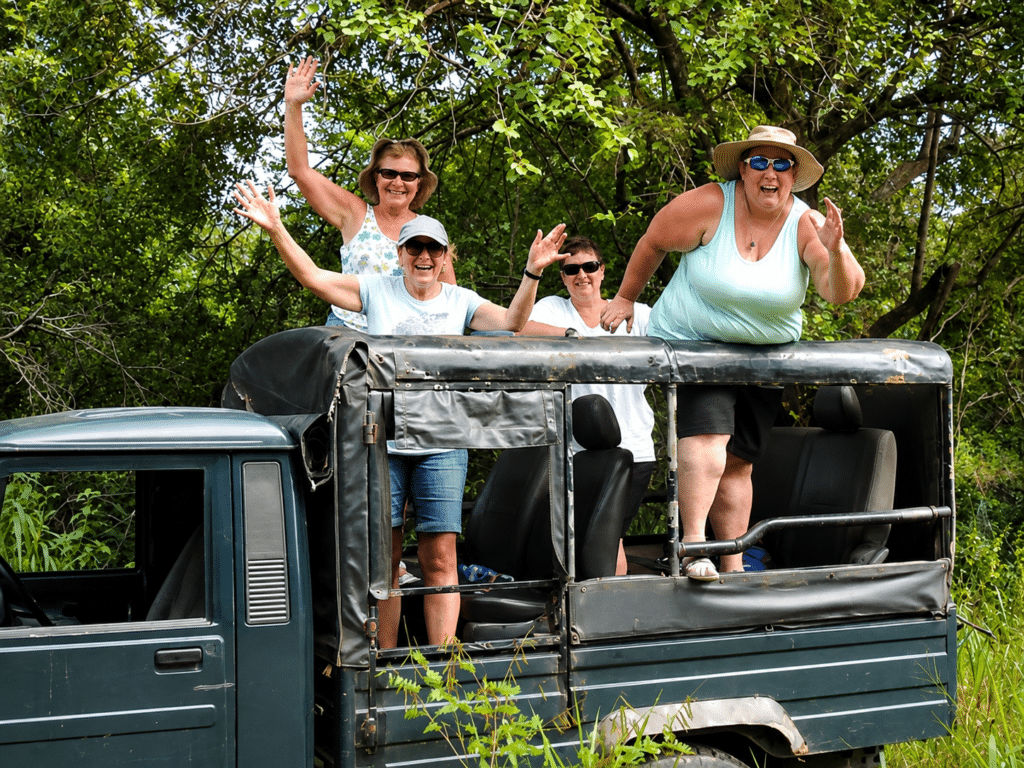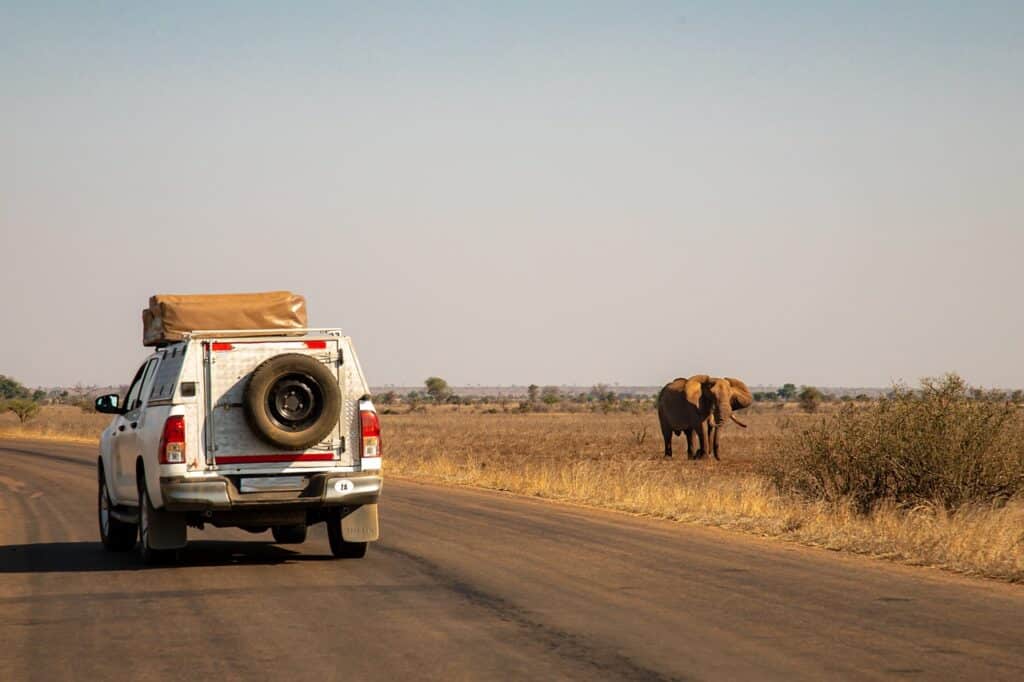
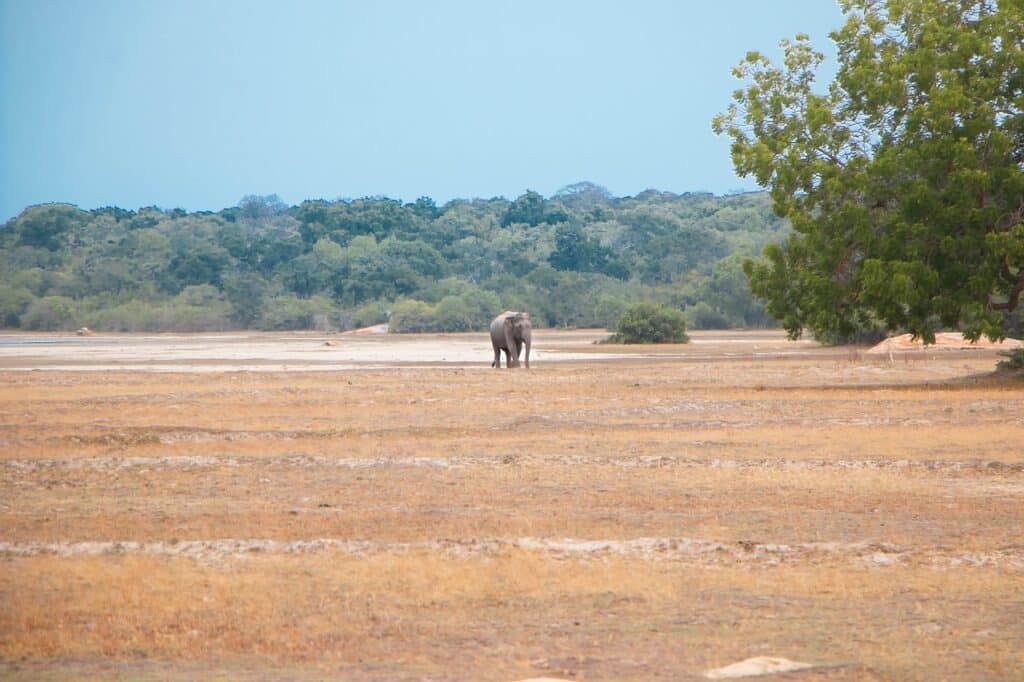
The best time for Yala Safari is generally during the dry season, from February to July, when water levels are low, forcing animals, including leopards, to congregate around remaining water holes. This period significantly increases the chances of spotting a wide array of wildlife. Specific months like February to April and late June to July often offer optimal conditions with reduced rainfall and abundant wildlife activity.
Table of Contents
Location Yala National Park, Sri Lanka
Maximizing Your Chances: The Best Time for Yala Safari
Planning a safari in Sri Lanka’s renowned Yala National Park is an exhilarating prospect, especially with the park’s reputation for high leopard densities. To ensure the most rewarding experience, understanding the best time for Yala Safari is crucial. This involves considering factors like weather patterns, animal behavior, and visitor numbers, all of which converge to influence your wildlife sightings and overall enjoyment.
Yala, officially known as Ruhunu National Park, encompasses a diverse range of ecosystems, from dense scrub jungle to open grasslands and lagoons. While leopards are a primary draw, the park is also home to elephants, sloth bears, water buffalo, mugger crocodiles, and a spectacular array of birdlife, including vibrant peacocks. Timing your visit correctly can dramatically increase your chances of witnessing these creatures in their natural habitat, making for an unforgettable adventure.
Seasonal Breakdown: When to Visit Yala National Park
| Month | Weather Condition | Leopard Sighting Probability | Other Wildlife Viewing | Crowd Levels |
|---|---|---|---|---|
| January | Transitional, some rain | Good | High, lush landscapes | Moderate-High |
| February | Dry season begins | Very Good | Excellent | Moderate |
| March | Dry, hot | Excellent | Excellent, animals gather at waterholes | Moderate-High |
| April | Dry, very hot | Excellent | Excellent, peak waterhole activity | High (holiday season) |
| May | Dry, hot | Very Good | Excellent | Moderate |
| June | Dry, hot | Very Good | Excellent | Moderate-Low |
| July | Dry, hot | Very Good | Excellent | Moderate-Low |
| August | Dry, but park closure possible | N/A (if closed) | N/A (if closed) | N/A (if closed) |
| September | Dry, but park closure possible | N/A (if closed) | N/A (if closed) | N/A (if closed) |
| October | Monsoon begins | Good (after reopening) | Good, landscapes refresh | Low-Moderate |
| November | Monsoon, heavy rain | Moderate | Moderate, animals more dispersed | Low |
| December | Monsoon, some rain | Good | Good, lush scenery | Moderate-High (holiday season) |
Yala Safari Closed Dates: Planning Around Park Maintenance
A critical aspect of determining the best time for Yala Safari is being aware of potential park closures. Yala National Park typically closes for a period of several weeks, usually from early September to mid-October, for maintenance and to allow the ecosystem a period of undisturbed regeneration. This annual closure, mandated by the SRI LANKA Department of Wildlife Conservation, can sometimes shift by a few days or even a week, so it’s essential to check the latest official announcements close to your travel dates.

While this closure impacts safari planning directly, it also means that the park is at its prime when it reopens, with refreshed landscapes and potentially more active wildlife. For those planning a broader wildlife adventure, consider alternative parks like Kumana National Park, which often remains open during Yala’s closure and offers similar biodiversity, though with generally fewer leopards. You can find more comprehensive details on general planning in our Ultimate Guide to Yala Safari: Planning Your Wildlife Adventure in Sri Lanka.
Morning vs. Afternoon: Timing Your Leopard Quest
Pros
- Cooler temperatures, more active predators (leopards, sloth bears)
- Golden hour light for photography at sunrise
- Fewer jeeps at the very start of the day
- Opportunity to see animals returning from nocturnal activities
Cons
- Early start (typically 5:00-5:30 AM pick-up)
- Can be chilly in the open jeep before sunrise
- Limited daylight after a few hours, requiring a return to park gate
Beyond Leopards: Optimal Times for Other Yala Wildlife
While the quest for leopards often dictates the best time for Yala Safari for many visitors, the park’s rich biodiversity offers much more to behold. Elephants are a consistent presence, especially around water sources during the dry season. Large herds are frequently seen bathing or feeding in the lagoons and plains, often year-round. Sloth bears, even more elusive than leopards, are most active during the early morning or late evening, and their sightings are generally highest during the fruiting season of Palu trees (May to July).
Birdwatchers will find Yala a paradise throughout the year, but the migratory bird season from November to April brings an influx of species, making these months particularly rewarding. Water birds thrive during the wet season when lagoons and wetlands are full. Even common species like the water buffalo and mugger crocodile are fascinating to observe, particularly near the park’s many reservoirs and rivers. Understanding these patterns helps visitors appreciate the full spectrum of Yala’s wildlife beyond just the star predators.
Crowd Calendar and Public Holidays: Avoiding the Rush
Avoid Peak Holidays for a Serene Safari
To truly experience the tranquility and wildness of Yala, plan your visit outside of major Sri Lankan public holidays and school vacation periods, especially April, August, and December. During these times, the park can become significantly crowded with local tourists, leading to more jeeps and potentially impacting the peaceful safari experience. The best time for Yala Safari in terms of crowd avoidance often aligns with the shoulder seasons or weekdays during the dry months.
Yala Safari Photography Tips for Every Season
Photography is an integral part of the Yala safari experience, and the best time for Yala Safari for photographers can vary slightly. During the dry season (February to July), the sparse vegetation and low water levels make it easier to spot animals, and the dusty golden light of morning and late afternoon is perfect for dramatic shots. A long telephoto lens (300mm or more) is essential, along with a beanbag for stabilization in the jeep.
In the wet season (October to January), the park transforms into a lush green landscape. While animal sightings might require more patience due to thicker foliage, the vibrant colors and dramatic skies offer unique photographic opportunities. Overcast days can provide soft, even light, reducing harsh shadows. Always be prepared for quick moments; a fast shutter speed is crucial for capturing wildlife in motion. Consider bringing a waterproof cover for your gear during the monsoon months. For detailed financial planning, remember to factor in Yala Safari Cost: Tour Packages, Jeep Prices, and Entrance Fees Explained.
Sources
- What is the best time to visit Yala National Park
- Best time for Yala National Park safari?
- When to visit Sri Lanka
Related Reading
Answers
Frequently Asked Questions
What time is best for Yala Safari?
The best time for Yala Safari is during the dry season, from February to July. Within that period, early morning (6:00 AM) and late afternoon (2:00 PM) safaris offer the highest chances for wildlife sightings, especially leopards, due to cooler temperatures and increased animal activity.
How likely are you to see a leopard in Yala?
Yala National Park has one of the highest leopard densities in the world, making sightings highly probable. During the peak dry season (February to July), the chances are excellent, especially when taking multiple safaris during the cooler parts of the day. While not guaranteed, many visitors do spot leopards.
Is Yala National Park closed in 2026?
Yala National Park typically undergoes an annual closure for several weeks, usually from early September to mid-October, for maintenance and ecological recovery. While exact 2026 dates should be confirmed closer to the time with the Sri Lanka Department of Wildlife Conservation, it is highly likely there will be a similar closure period.
Which Yala safari is best?
The best Yala safari depends on your priorities. For leopard sightings, early morning (6:00 AM) safaris are often preferred. For photography, both early morning and late afternoon safaris offer beautiful light. For general wildlife viewing, the dry season (February to July) offers the highest concentration of animals around water sources.
What is the recommended duration of stay for optimal Yala safari experience?
For an optimal Yala safari experience, it is recommended to dedicate at least two full days, allowing for 2-4 safari drives (e.g., two morning and two afternoon safaris). This increases your chances of spotting a wider variety of animals and experiencing different lighting conditions within the park.