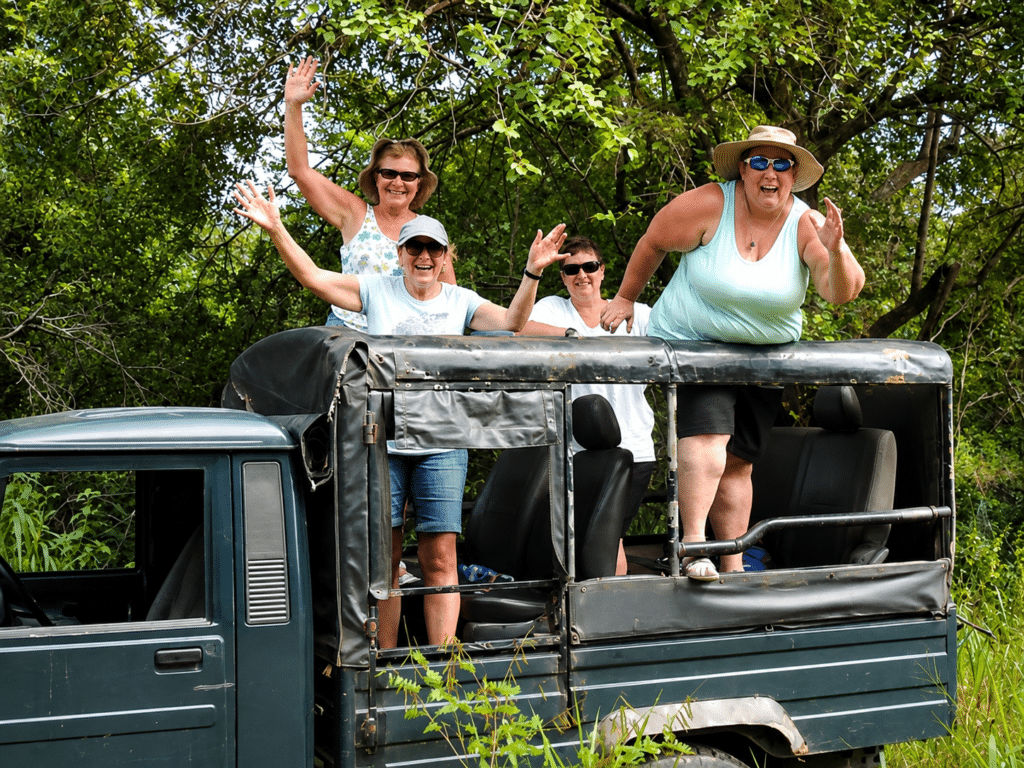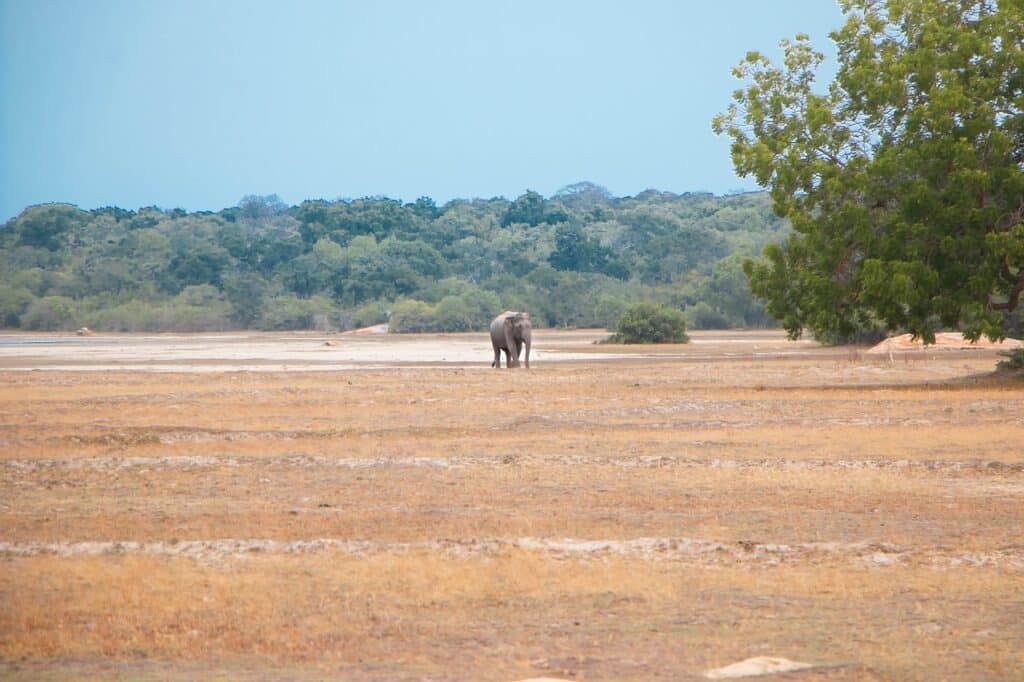
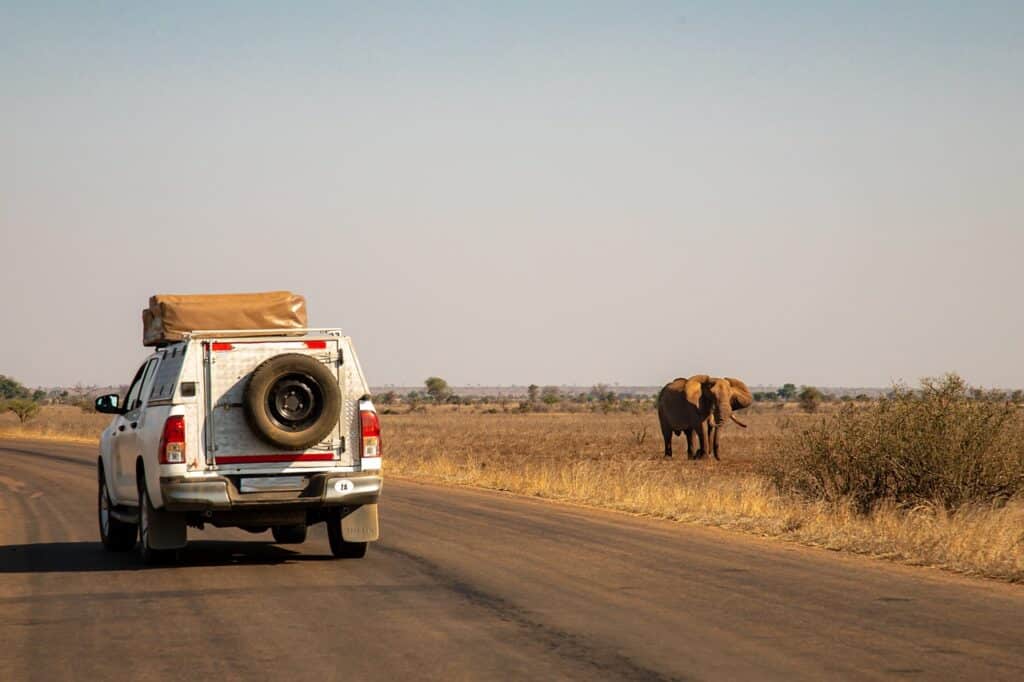
A Yala Safari offers an unparalleled wildlife experience in Sri Lanka, renowned for its high density of leopards, elephants, and sloth bears. Planning involves choosing between morning or afternoon drives, selecting a reputable tour operator, and understanding the park’s various zones. The optimal time to visit for prime wildlife viewing typically falls within the dry season.
Table of Contents
Location Yala National Park, Sri Lanka
Embarking on a Yala Safari: An Introduction to Sri Lanka's Premier Wildlife Destination
A Yala Safari offers an extraordinary journey into the heart of Sri Lanka’s wilderness, making it a must-do for any nature enthusiast. Yala National Park, located in the southeastern region of the island, is celebrated globally for its remarkable biodiversity, particularly its high concentration of Sri Lankan leopards, making it one of the best places in the world to spot these elusive big cats. Beyond the leopards, the park is home to a magnificent array of wildlife, including majestic Sri Lankan elephants, the unique sloth bear, crocodiles, deer, and hundreds of bird species.
The varied landscape, ranging from scrub jungle and grasslands to lagoons and rocky outcrops, provides diverse habitats that support this rich ecosystem.
Planning a Yala Safari requires careful consideration to maximize your chances of incredible wildlife encounters and ensure a smooth, enjoyable trip. This ultimate guide delves into every aspect of preparing for your adventure, from understanding the best times to visit to selecting the right tour operator and adhering to ethical tourism practices. Whether you’re a seasoned safari-goer or embarking on your first wildlife expedition, Yala promises an unforgettable experience that connects you with nature’s raw beauty and power.
Navigating Yala: Zones, Entry Points, and Key Sighting Areas
Yala National Park is vast, divided into five blocks, of which only Blocks 1 and 5 (locally known as Yala West and Yala East) are currently open to tourists. Block 1, often referred to as Ruhunu National Park, is the most popular and accessible, known for its high leopard density. Entry to Block 1 is primarily via the Palatupana entrance, near the town of Tissamaharama. Block 5, accessible via the Galge entrance, offers a more rugged experience with fewer visitors, making it ideal for those seeking solitude.
Within these blocks, specific areas are renowned for particular sightings. Leopard Rock and Jamburagala are prime spots for leopard sightings, while watering holes throughout the park are excellent for observing elephants and a variety of birds. The coastal areas are home to crocodiles and various water birds. Understanding the layout and the typical habitats of different species can significantly enhance your Yala Safari experience. It’s important to remember that wildlife moves freely, and while guides have extensive knowledge of prime spots, sightings are never guaranteed, adding to the thrill of discovery.
Choosing Your Safari Experience: Half-Day vs. Full-Day and Best Times
| Feature | Half-Day Safari (Morning or Afternoon) | Full-Day Safari |
|---|---|---|
| Duration | Approx. 5-6 hours | Approx. 12-13 hours (with lunch break) |
| Cost | Lower total cost (jeep + entrance) | Higher total cost (jeep + entrance + packed lunch) |
| Wildlife Encounters | Good chance of diverse sightings; focused on prime activity hours. | Increased probability of rare sightings, especially for the elusive sloth bear and leopards, due to extended time in the park across different light conditions. Allows exploring less-visited areas. |
| Fatigue Level | Less strenuous, suitable for all ages. | More physically demanding; requires stamina and patience. |
| Photography Opportunities | Excellent during golden hours (sunrise/sunset). | Offers diverse lighting conditions, from early morning mist to midday sun and late afternoon glow. |
| Flexibility | Allows for other activities later in the day. | A dedicated experience with less flexibility for other plans. |
Booking Your Yala Safari: Operators, Costs, and Ethical Considerations
Booking your Yala Safari involves several steps, from choosing a reputable tour operator to understanding the Yala National Park entrance fee 2024. Numerous operators in Tissamaharama and Kirinda offer safari packages, typically including the jeep, driver/guide, and sometimes the park entrance fee. It’s crucial to select an operator known for their experienced guides, well-maintained vehicles, and commitment to ethical tourism. While prices can vary, expect to pay a separate entrance fee per person, in addition to the jeep hire. For a detailed breakdown of expenses, refer to dedicated guides on Yala Safari cost.

When it comes to ethical tourism, prioritize operators who adhere to strict guidelines set by the Department of Wildlife Conservation Sri Lanka. This includes maintaining a respectful distance from animals, avoiding off-road driving, and not disturbing wildlife for photo opportunities. In recent years, there has been a growing emphasis on sustainable practices to protect Yala’s fragile ecosystem and its inhabitants. Supporting operators who champion these values ensures your Yala Safari contributes positively to conservation efforts and animal welfare. Always book in advance, especially during peak season, to secure your preferred slot and avoid last-minute disappointments.
Cancellation policies should also be clarified at the time of booking.
Maximizing Your Chances: Yala Safari Leopard Sighting Probability and Photography Tips
Top Tip for Leopard Spotting
For the highest Yala safari leopard sighting probability, opt for morning safaris when leopards are most active and predatory. Focus on areas near rocky outcrops and water sources, and choose experienced guides who understand leopard behavior and territories. Patience is paramount!
Essential Packing List for Your Yala Safari
Preparing adequately for your Yala Safari ensures comfort and readiness for whatever the wilderness brings. Here’s a comprehensive packing list:
Remember that the dusty conditions in Yala mean that your clothes and equipment will likely get quite dirty, so dress accordingly and protect your camera gear.
Conservation Efforts and Challenges in Yala National Park
Yala National Park is a critical pillar of Sri Lanka’s conservation strategy, particularly for iconic species like the Sri Lankan leopard and Sri Lankan elephant. The Department of Wildlife Conservation Sri Lanka plays a pivotal role in managing the park, implementing anti-poaching measures, and conducting wildlife research. However, Yala faces numerous challenges, including human-wildlife conflict, habitat encroachment, and the impacts of climate change. Efforts are continuously underway to mitigate these issues through community engagement, habitat restoration, and strict park regulations. Sustainable tourism also contributes significantly to funding these conservation initiatives, emphasizing the importance of responsible visitor behavior.
Another significant challenge is managing the sheer volume of visitors, especially during peak seasons. Over-tourism can lead to increased stress on wildlife and environmental degradation. The park periodically implements closures, such as the typical Yala National Park closure from September to mid-October, to allow the ecosystem to recover and for maintenance activities to be carried out. Such closures are vital for the long-term health of the park and its inhabitants. For more specific insights into these majestic creatures, explore the unique aspects of the leopards of Yala National Park.
Beyond Yala: Nearby Attractions and Extended Stays
While a Yala Safari is undoubtedly the main draw, the region around Yala offers additional attractions for those with extended stays. For a different wildlife experience, consider a visit to Bundala National Park, a Ramsar wetland site famous for its migratory bird populations, or Kumana National Park, often considered Yala’s quieter twin, known for its birdlife and opportunities for a less crowded safari. The coastal towns of Kirinda and Tissamaharama provide cultural experiences, ancient temples, and opportunities to relax by the ocean.
For those interested in exploring more of Sri Lanka’s diverse landscapes, the hill country town of Ella is a popular next stop, offering stunning tea plantations, waterfalls, and hiking trails. Combining a Yala Safari with a visit to these nearby attractions creates a well-rounded Sri Lankan adventure. This allows for a deeper appreciation of the island’s natural beauty and cultural heritage beyond the thrill of a Yala Safari.
Sources
- Yala National Park | Official Site | Yala Sri Lanka
- THE 15 BEST Yala National Park Safaris (2026)
- Ajith Safari: Yala Safari Jeep Tours with Hotel Pickup
Related Reading
Answers
Frequently Asked Questions
How much does a safari in Yala cost?
The cost of a Yala safari typically includes a jeep hire (around $40-$60 USD for a half-day) and the Yala National Park entrance fee 2024, which is approximately $25-$35 USD per person for foreigners, plus service charges and taxes. Prices can vary based on the tour operator and whether it’s a full-day or half-day safari.
Is Yala National Park closed in 2026?
Yala National Park has an annual closure period, usually from September 1st to October 15th, for maintenance and to allow the ecosystem to recover. While a specific closure schedule for 2026 hasn’t been announced, it’s prudent to check with the Department of Wildlife Conservation Sri Lanka or your tour operator closer to the date if planning a visit during this period.
How likely are you to see a leopard in Yala?
Yala National Park boasts one of the highest leopard densities in the world, making the Yala safari leopard sighting probability quite high, especially during morning safaris in Block 1. While sightings are never guaranteed, most visitors have a good chance of spotting a leopard if they choose an experienced guide and visit during the dry season.
Is Yala Sri Lanka worth visiting?
Yes, Yala National Park is absolutely worth visiting for its unparalleled wildlife viewing opportunities. It’s one of the best places globally to see Sri Lankan leopards, elephants, sloth bears, and a vast array of birds and other animals in their natural habitat, offering an unforgettable safari experience.